If you have health insurance, paying out of pocket for physical therapy may seem counterintuitive. But insurance coverage does not always mean you are receiving the amount of individualized care you need. At ATX Physical Therapy, each session is one-on-one, focused on understanding the real source of your problem, building a personalized plan, and helping you return to the activities that matter to you. The goal is not more visits—it is more purposeful care and greater independence.
PPhysical decline often happens so gradually that we adapt our lives around it without realizing how much we’ve given up. Capacity Blueprint helps identify the gaps before an injury or wake-up call forces us to pay attention.
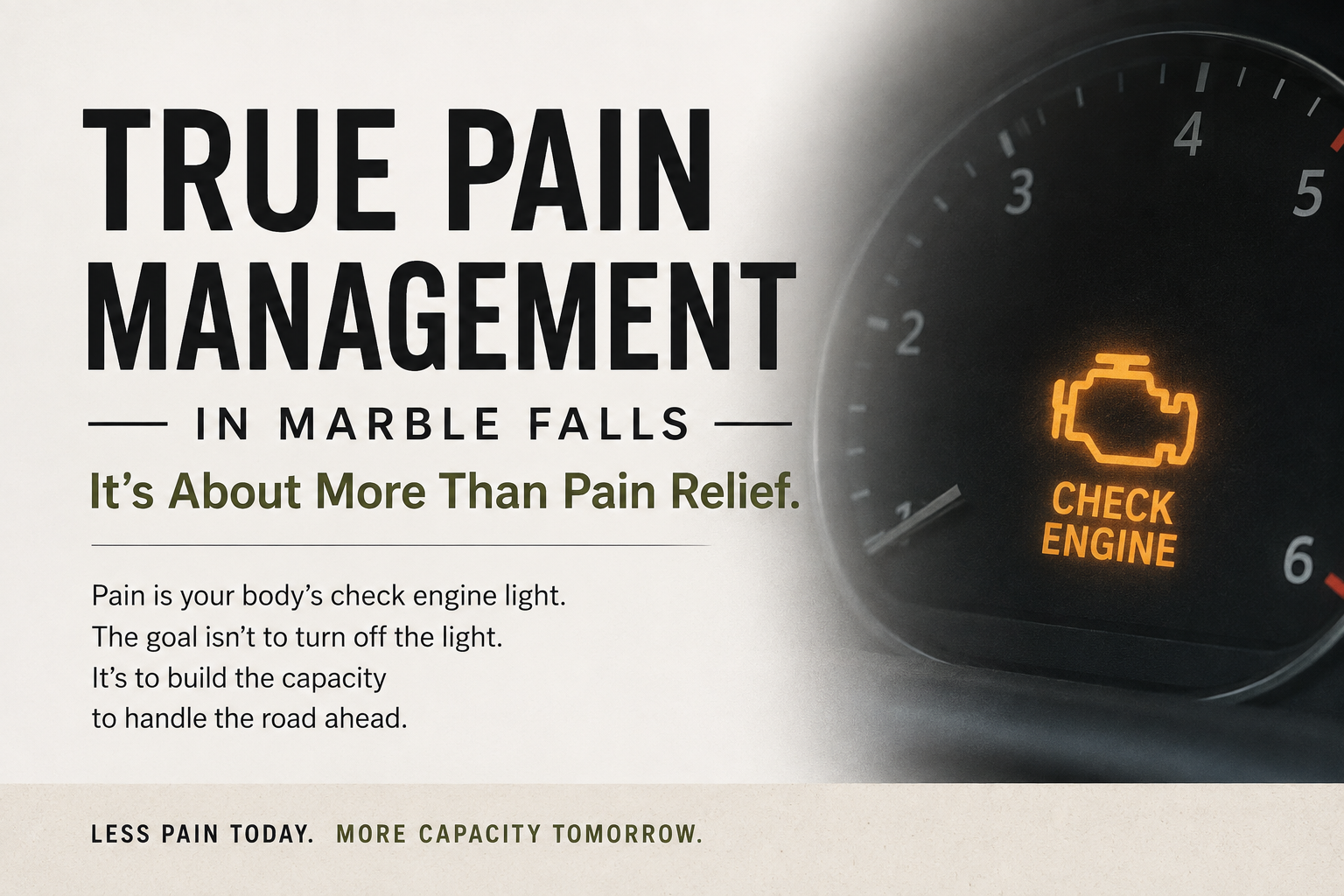
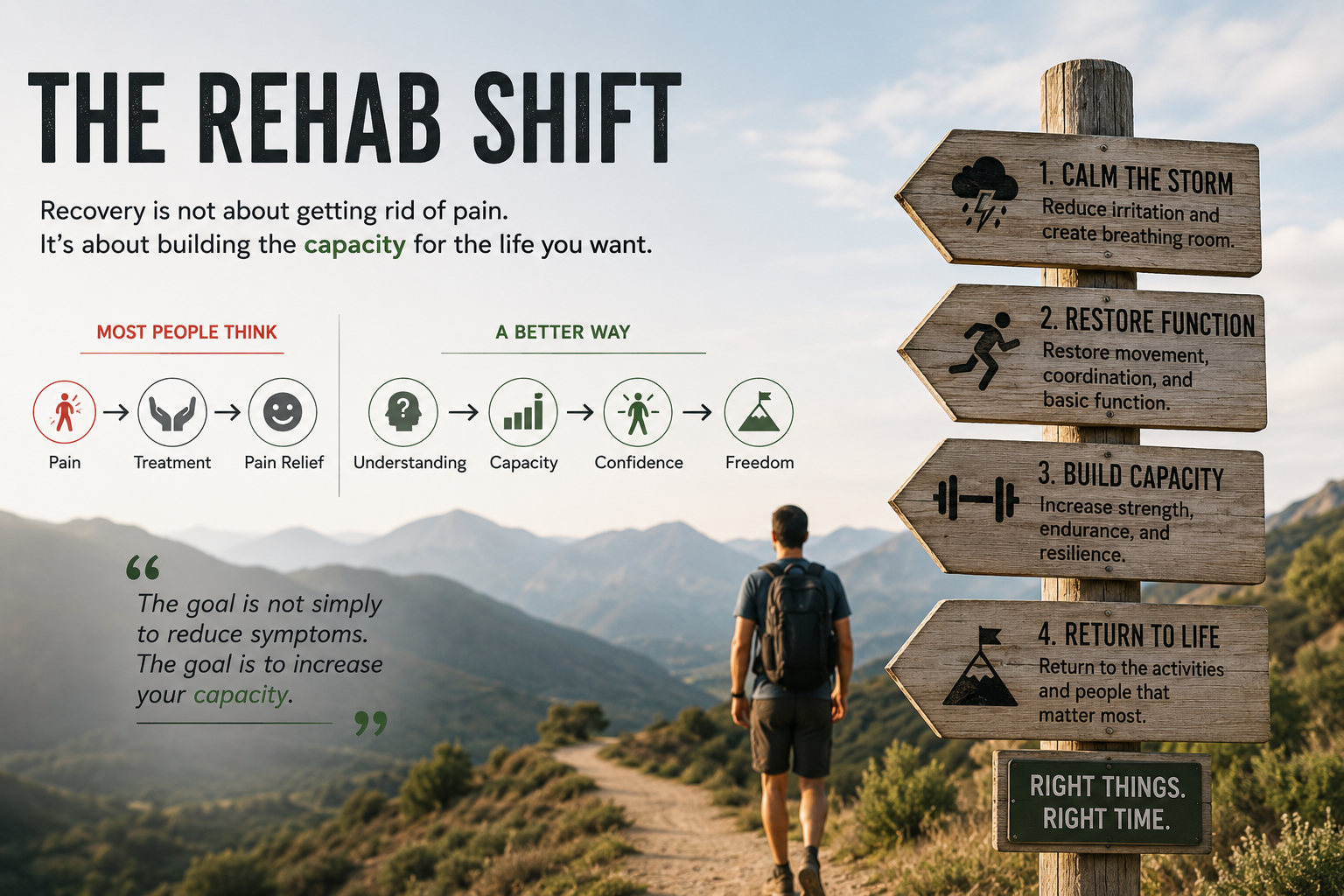
Pain is like your body’s check engine light. You can ignore the warning, or you can address the reason it came on. True pain management in Marble Falls isn’t just about reducing symptoms, it’s about building the strength, resilience, and capacity your body needs to keep doing the things you love.
Sports physical therapy in Marble Falls for golfers, pickleball players, runners, and high school athletes. One-on-one treatment to recover from injury, improve performance, and prevent future injuries.
Persistent neck pain or headaches? One-on-one physical therapy in Marble Falls to identify the root cause, improve movement, and build lasting resilience.
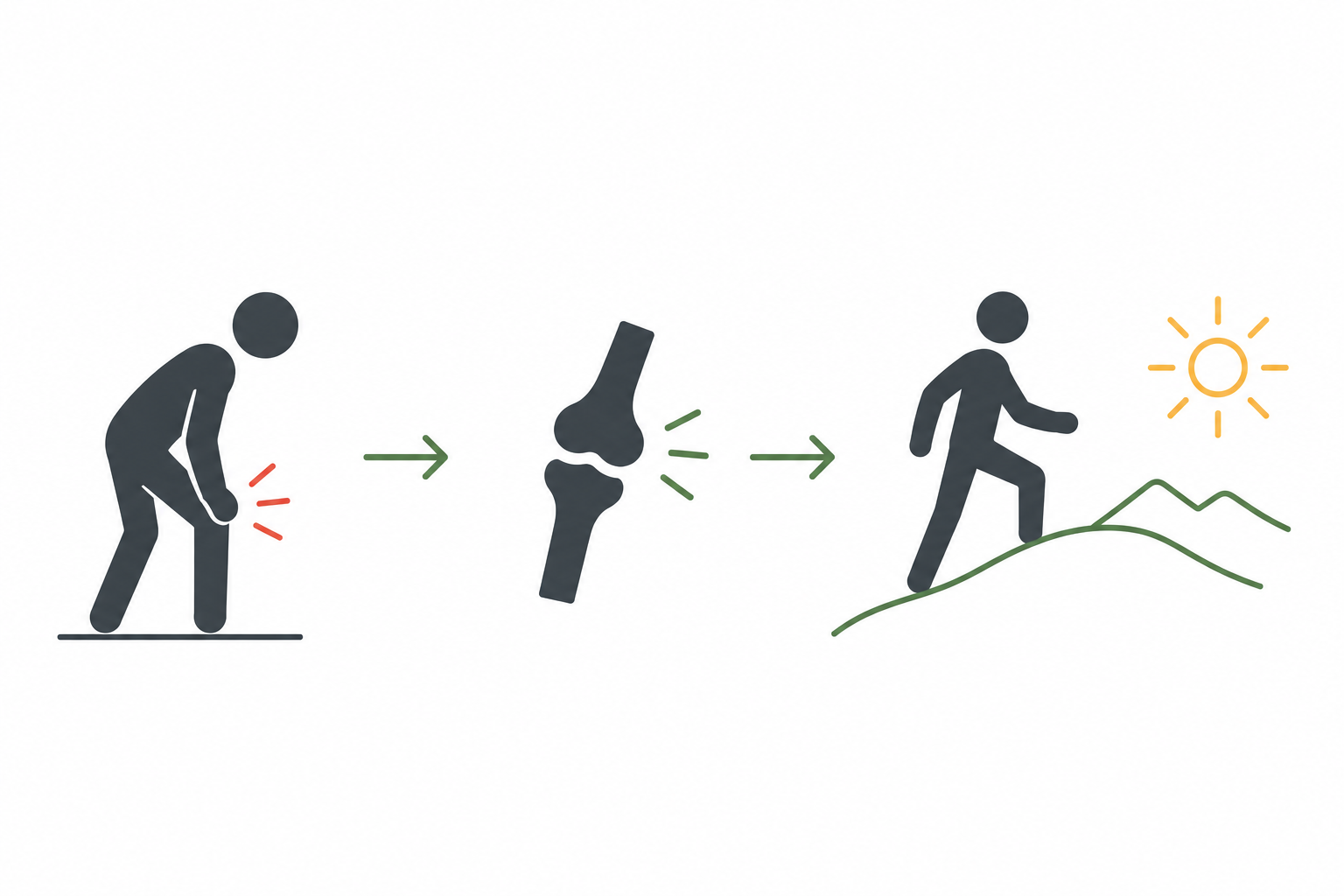
Knee arthritis doesn’t always explain knee pain. Many people have arthritis on X-rays yet remain active with little discomfort. Often, pain reflects a knee that no longer has the strength, mobility, or capacity to meet the demands of everyday life. At ATX Physical Therapy in Marble Falls, we help you build that capacity so you can stay active doing the things you enjoy.
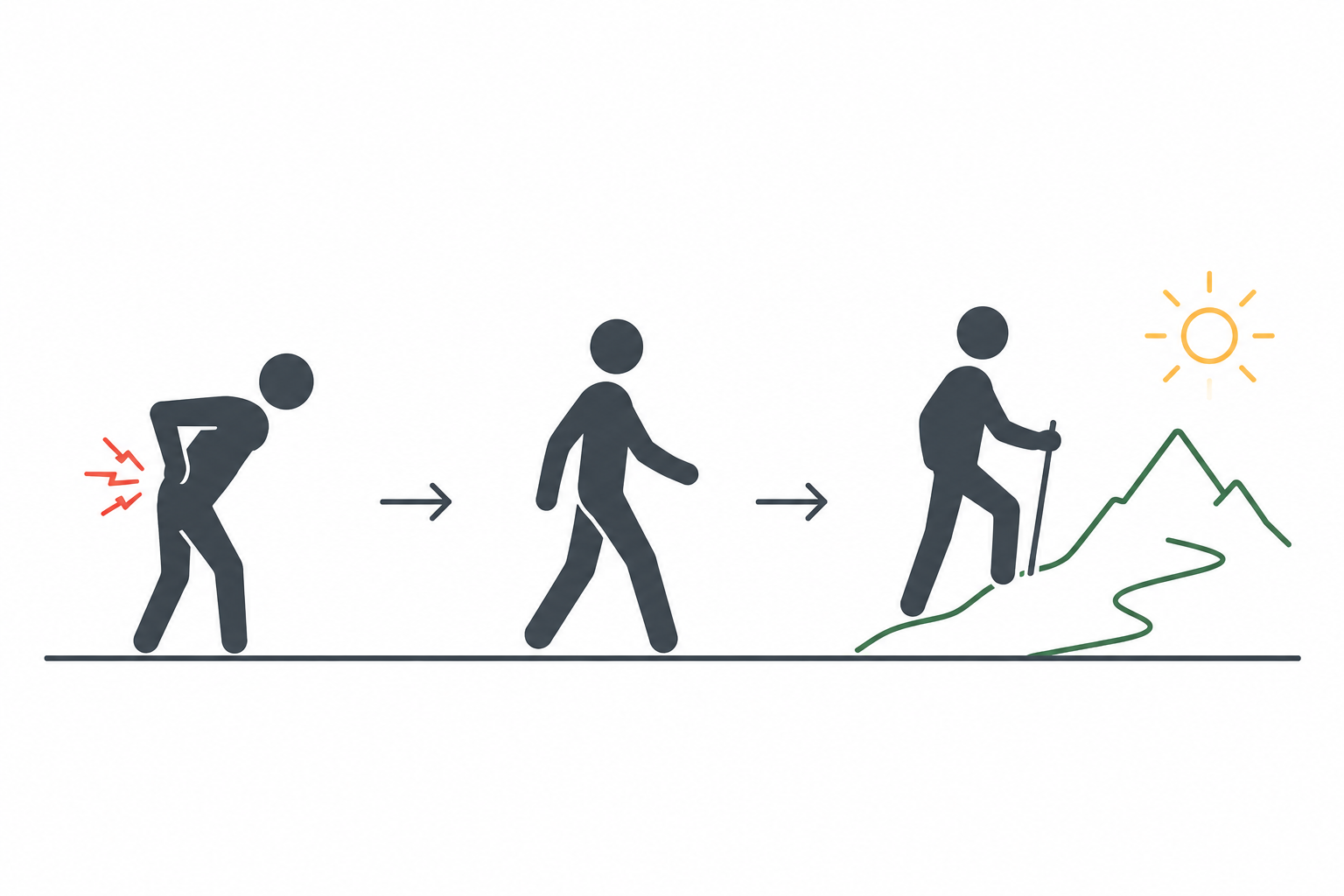
Back pain rarely appears out of nowhere. More often, it’s a sign that the demands placed on your body have exceeded its current capacity. Rather than simply asking “What did I do?” a better question is, “Why couldn’t my back tolerate it this time?” At ATX Physical Therapy in Marble Falls, we identify what’s limiting your body’s capacity and develop a personalized plan to help you move with confidence and reduce the risk of future episodes.
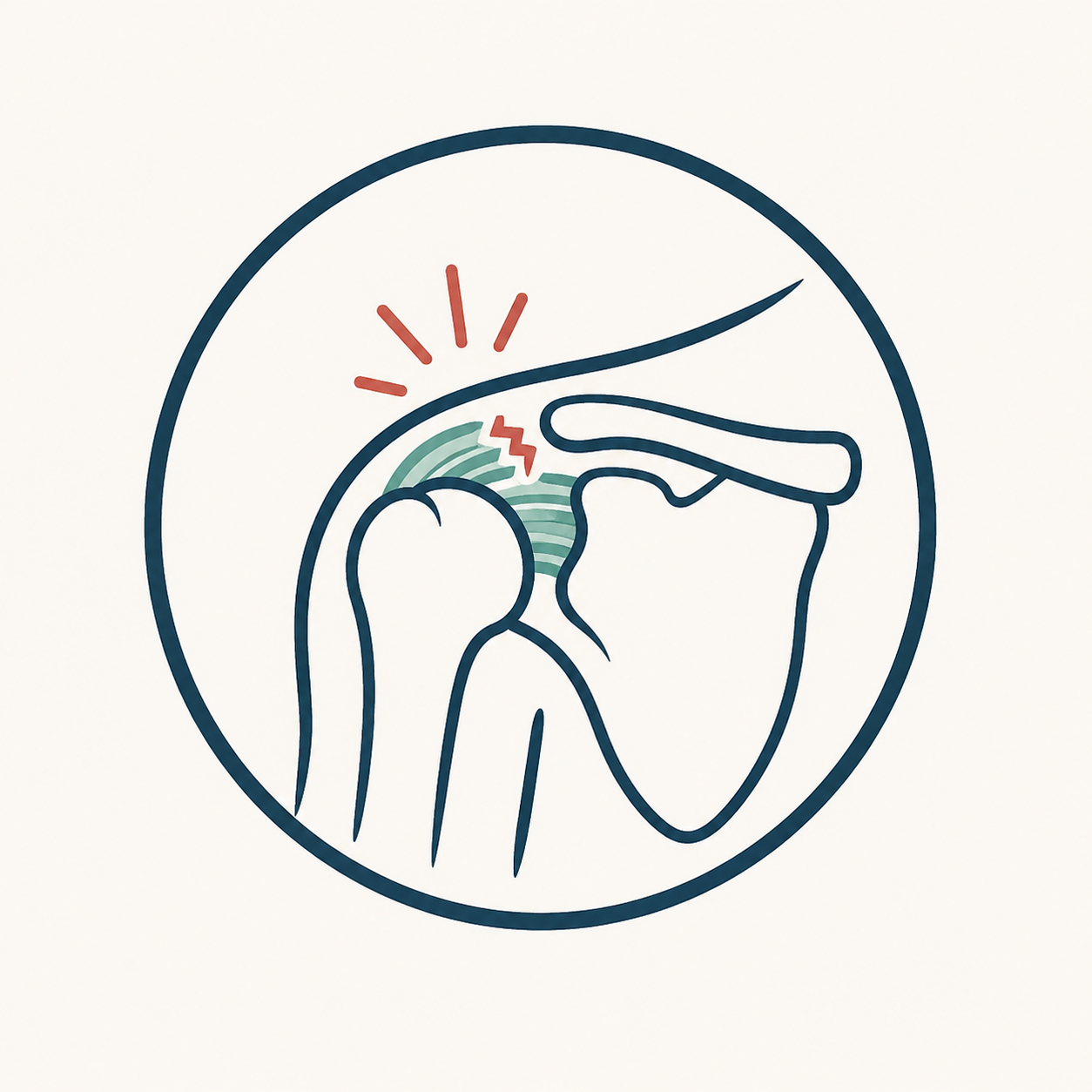
Being told you have a rotator cuff tear can be alarming, but an MRI is only one piece of the story. Many people have rotator cuff tears without pain, while others struggle with everyday activities. The important question isn’t simply “Is there a tear?” but “Is it causing your symptoms?” At ATX Physical Therapy in Marble Falls, we look beyond the MRI to identify what’s limiting your shoulder and help restore comfortable, confident movement.
Why do so many people stop making progress in physical therapy? Often, it isn’t because the exercises aren’t working—it’s because they’ve encountered one of the hidden obstacles that author Robert Pirsig called a “gumption trap.” If you’re looking for one-on-one physical therapy in Marble Falls or Austin, this article explains why setbacks are a normal part of recovery and how understanding them can help you keep moving toward the life you want.
Many people spend years trying to fix the body part that hurts while overlooking the larger system that produced the problem. At ATX Physical Therapy in Marble Falls and Austin, we don’t just ask what hurts. We ask why the problem developed in the first place and what factors continue to keep it there.
Many people spend their days tracking sleep scores, monitoring biomarkers, optimizing supplements, and searching for the perfect routine. Yet despite unprecedented access to data, they often feel more anxious, more fragile, and less confident in their health than ever before.
Modern rehab and fitness culture constantly searches for the “best” treatment, stretch, muscle, or modality. But the body does not work like a collection of isolated parts. It works like an interconnected system where timing, coordination, adaptability, and force transfer all matter.
Many people in Marble Falls are currently being told they may have to wait weeks or even months to begin physical therapy. But musculoskeletal problems rarely stay the same while you wait. Pain changes movement, movement changes behavior, and over time the body adapts around the problem. Personalized, one-on-one physical therapy is not simply about getting in faster. It is about understanding the deeper context behind why the problem developed in the first place and rebuilding the strength, movement quality, and capacity needed to keep it from returning.
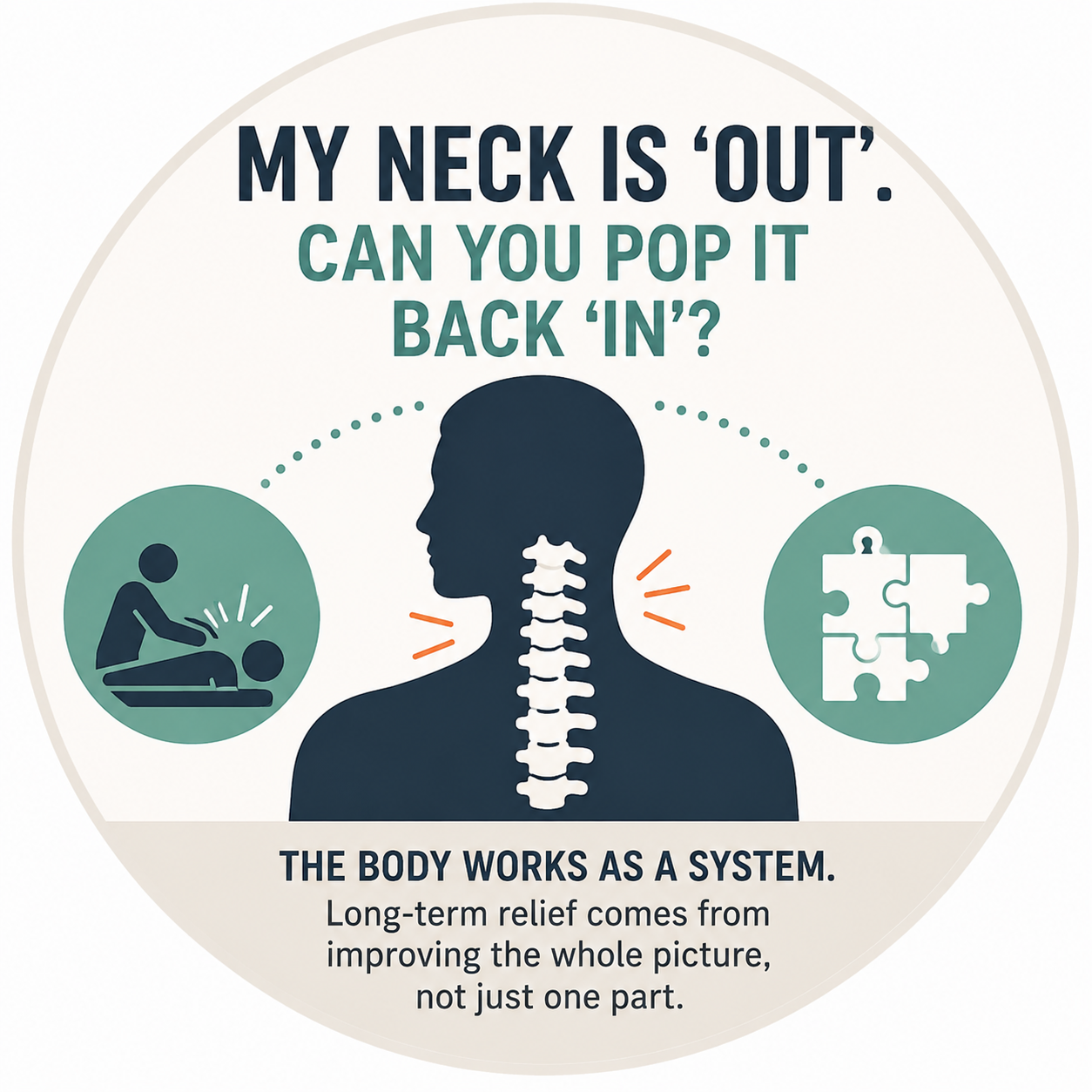
Most people think their neck is “out” and just needs to be popped back into place. But the body works as an integrated system, and repeatedly treating one irritated area in isolation often ignores the larger movement and stress patterns that keep recreating the problem. Real long-term improvement usually comes from improving how the whole system moves, loads, and adapts, unot just temporarily “putting something back in.” If you are in Marble Falls and Austin with a spine that keeps going out, consider other options.
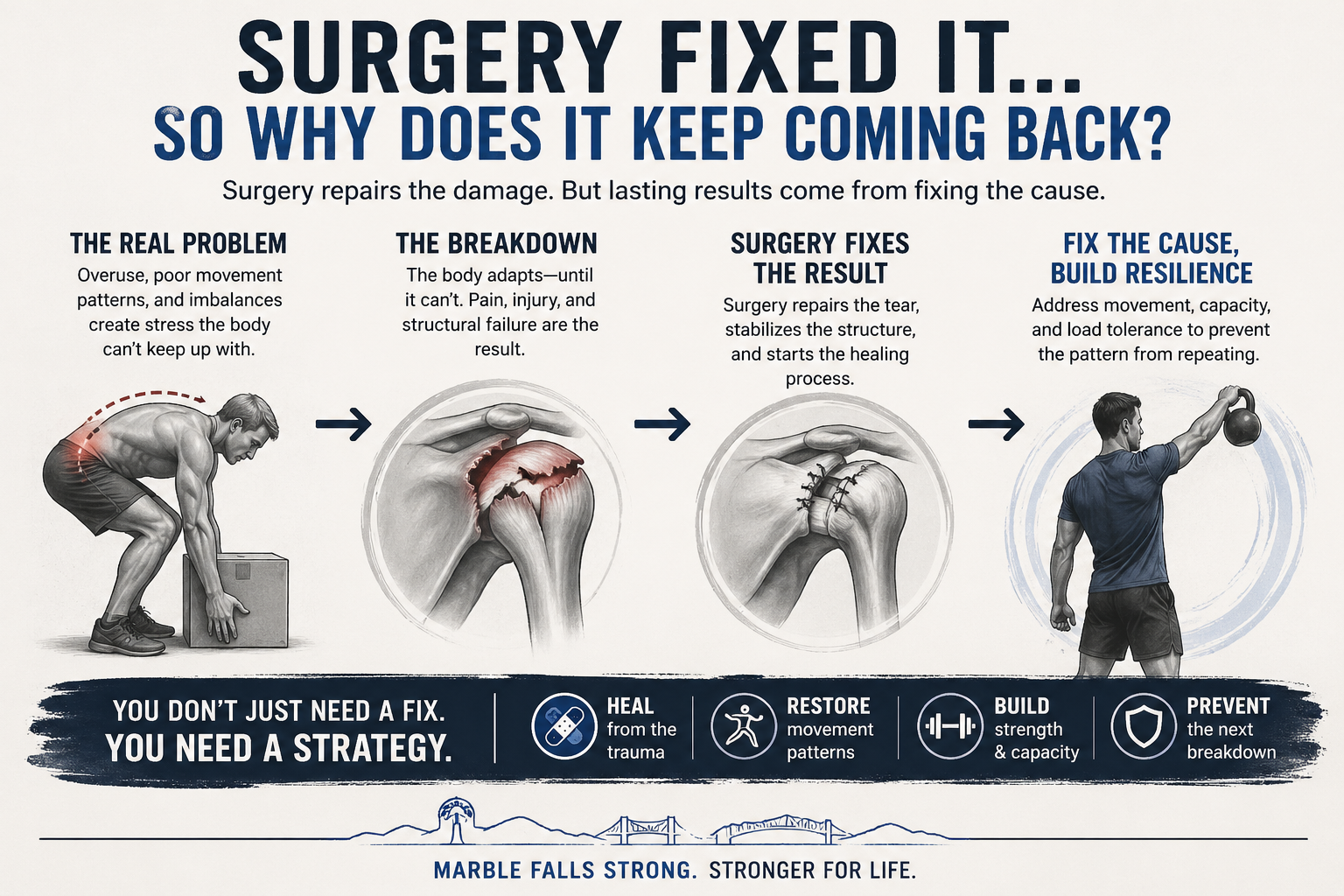
Injury is rarely the starting point, it’s the end result of a system pushed beyond its limits. Surgery repairs the failure, but recovery requires rebuilding the capacity that was missing. If you live in Marble Falls or Austin with continued problems after surgery, I can help.
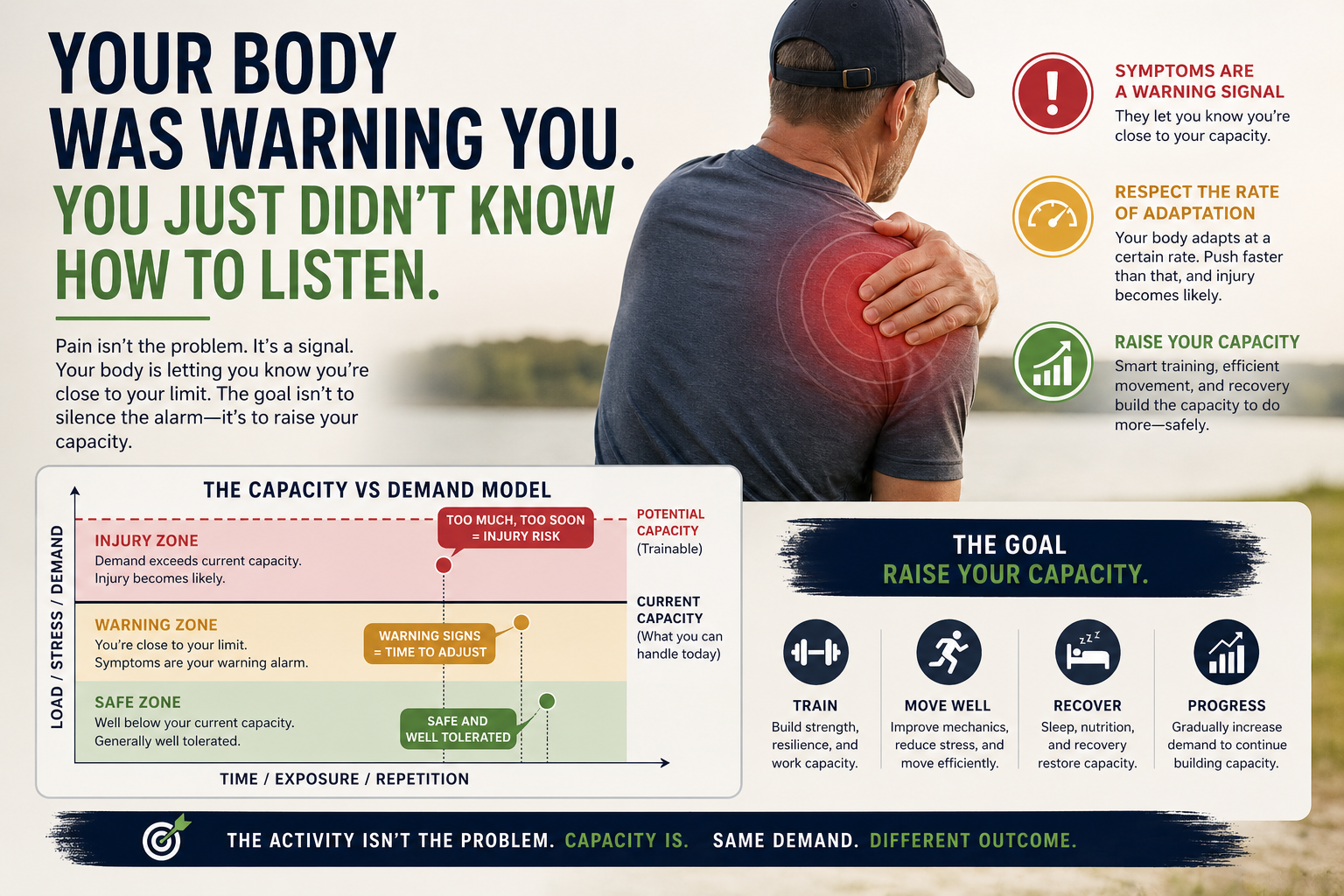
Most injuries don’t happen in a single moment. They happen when the demands you place on your body quietly exceed what it can handle. Pain isn’t the problem, it’s a warning that you’re getting close to your limit.
Movement isn’t a side note in health, it’s the base layer everything else sits on. As longevity medicine begins to recognize this, physical therapy returns to its rightful role: not just treating pain, but directing how the body adapts, performs, and endures over time.
A surprising number of people here in Marble Falls and Austin find my website late at night when pain finally demands their attention. That moment rarely marks the beginning of the problem.