
Do you treat TMJ?
Why treating one area means treating the whole system
Most people reach out with a simple question:
“Do you treat this?”
Jaw pain. TMJ issues. Clicking. Tightness. Headaches.
Recently, a video went around of a country singer receiving a deep jaw release, and I’ve had several people ask if I offer that.
The short answer is: yes.
But that answer, by itself, misses the point.
What You’re Seeing in This Image
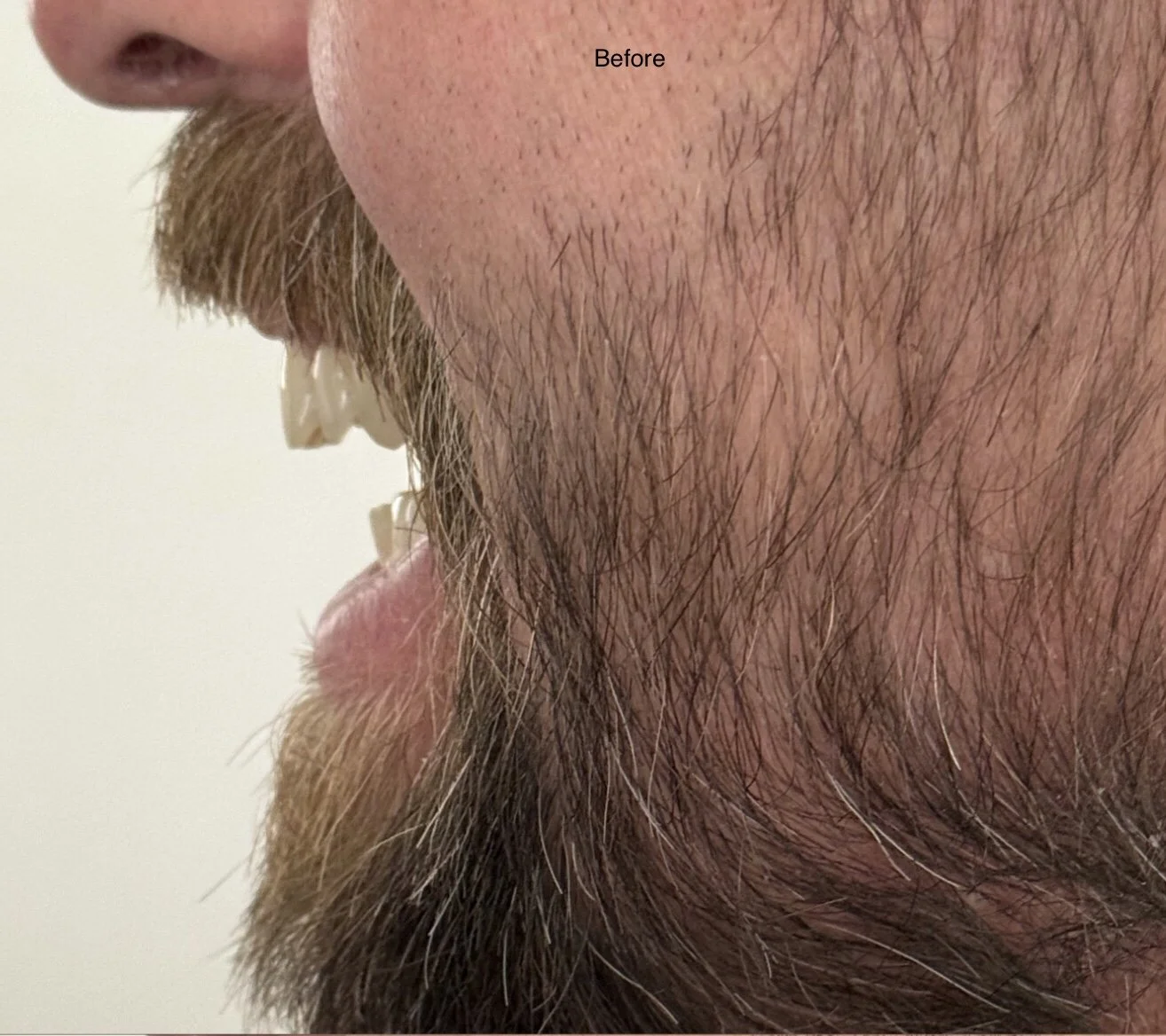
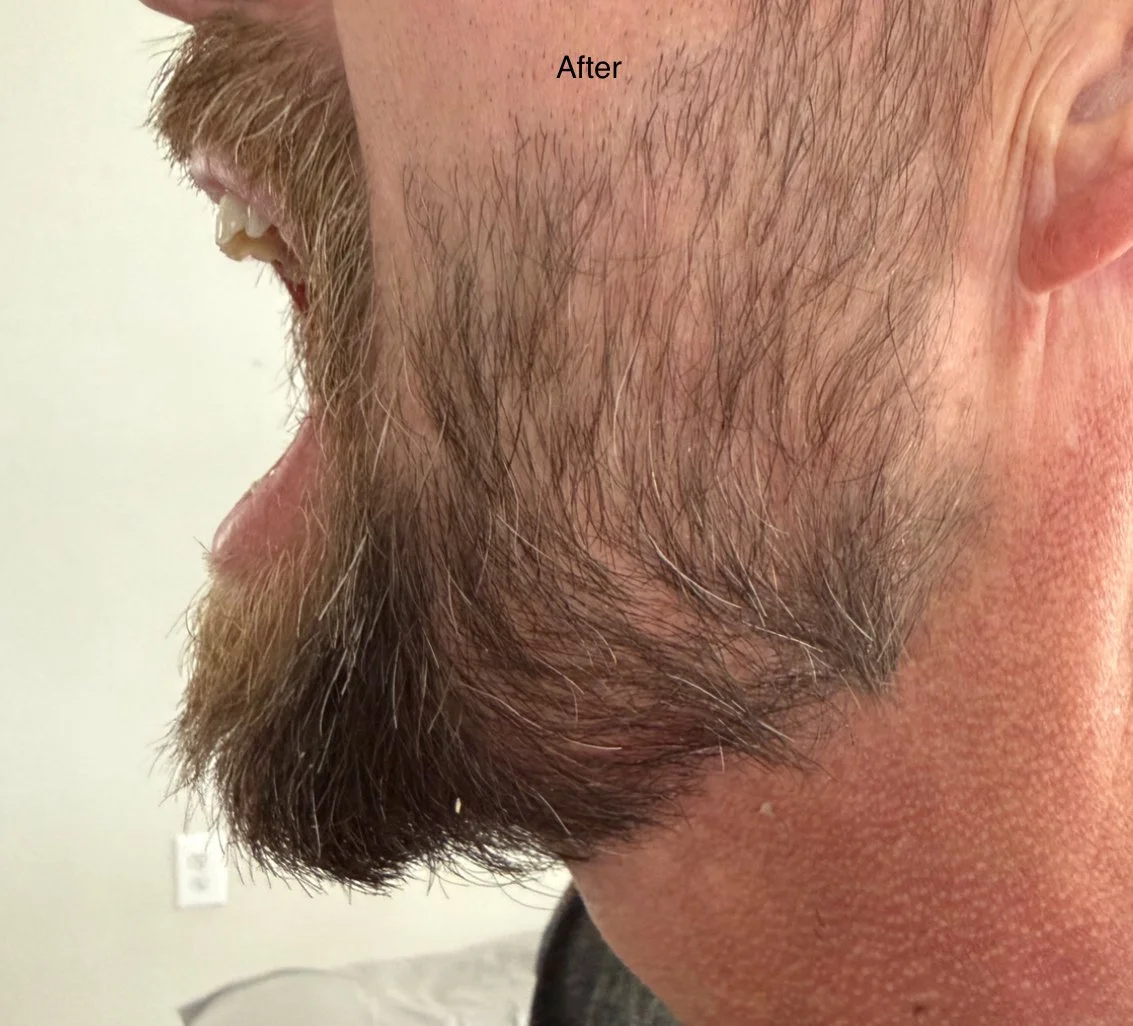
The image above shows a before and after of jaw and neck position.
What changes isn’t just local tissue tension.
You’re seeing a shift in how the system organizes itself.
• The jaw sits differently
• The neck position changes
• The tone through the surrounding tissue redistributes
That’s not just a “release.”
That’s a reorganization of a pattern.
The Jaw Is a Node in a Larger System
The jaw (TMJ) doesn’t operate in isolation. It sits at the intersection of several major systems:
1. The Cervical Spine
The jaw and upper neck are mechanically linked.
If the jaw is overactive, guarded, or misaligned:
• The upper cervical spine compensates
• Muscles like the SCM and suboccipitals increase tone
• Head position shifts forward or rotates
You can’t meaningfully change one without influencing the other.
2. The Autonomic Nervous System
The jaw has strong relationships with the vagus nerve and surrounding cranial structures.
When the jaw is chronically tense:
• It can reflect a heightened sympathetic (stress) state
• Breathing patterns often become shallow or altered
• The system stays in a mild “protective” mode
Releasing the jaw isn’t just mechanical, it can shift state, not just structure.
3. The Tongue, Palate, and Core
This is where things get interesting.
The tongue connects to the palate, which connects to:
• Breathing mechanics
• Rib cage positioning
• Deep core activation
If the tongue isn’t positioned well:
• Core stability is compromised
• Breathing becomes less efficient
• The system loses a key stabilizing input
Yes, the jaw can influence your core.
Why “Do You Treat X?” Is the Wrong Question
It’s a reasonable question.
But it assumes the body works like a collection of parts.
It doesn’t.
The body behaves more like a network, where:
• Each part both influences and depends on others
• Local pain is often the end result of a broader pattern
• Treating one area in isolation often gives temporary results
So when someone asks,
“Do you treat the jaw?”
What they’re really asking is:
“Do you understand how the jaw fits into the whole system?”
What Treatment Actually Looks Like
Yes, I can work directly on the jaw.
But that’s rarely where it stops.
Treatment might also involve:
• Cervical spine mechanics
• Breathing patterns
• Rib cage and thoracic mobility
• Tongue and palate positioning
• Global movement patterns
Because if the underlying pattern doesn’t change,
the jaw will go right back to doing what it was doing before.
A Better Way to Think About It
Instead of asking:
“Can you fix this one thing?”
A better question is:
“What is this connected to?”
That’s where real change happens.
Not by chasing symptoms,
but by understanding the system they live in.
The Takeaway
The jaw matters. A lot.
But not because it’s special in isolation.
It matters because it sits at a critical intersection of:
• structure
• breathing
• nervous system regulation
• and global stability
So yes,I treat the jaw.
Because it’s part of the body.
And in this system, nothing stands alone.
If you are in Marble Falls or Austin and have TMJ issues (or anything that might be associated like autonomic nervous system, sleep apnea, etc), schedule here: www.atx-pt.janeapp.com