Cart 0
 

Pain is a signal, not the problem. At ATX PT, for clients in Austin and Marble Falls, we don’t just treat symptoms; we help you move better, build resilience, and fix the root causes so you can stay active and do what you love for the long haul.

Score your “Tissue Debt” to see how much debt may have been accumulating beneath the surface.

Symptoms tell you where the problem showed up. Tissue debt helps explain why it showed up there in the first place.

Get Answers. Get a Plan. Get Back to Living.

One-on-one physical therapy in Austin and Marble Falls designed to find the cause of your pain; not just treat the symptoms.

tele-visits and exercise prescription also available

Call or Text: 512-790-4751

Email: ATXphysicaltherapy@gmail.com

What If The Cost Of Doing Nothing Is Higher Than The Cost Of Change?

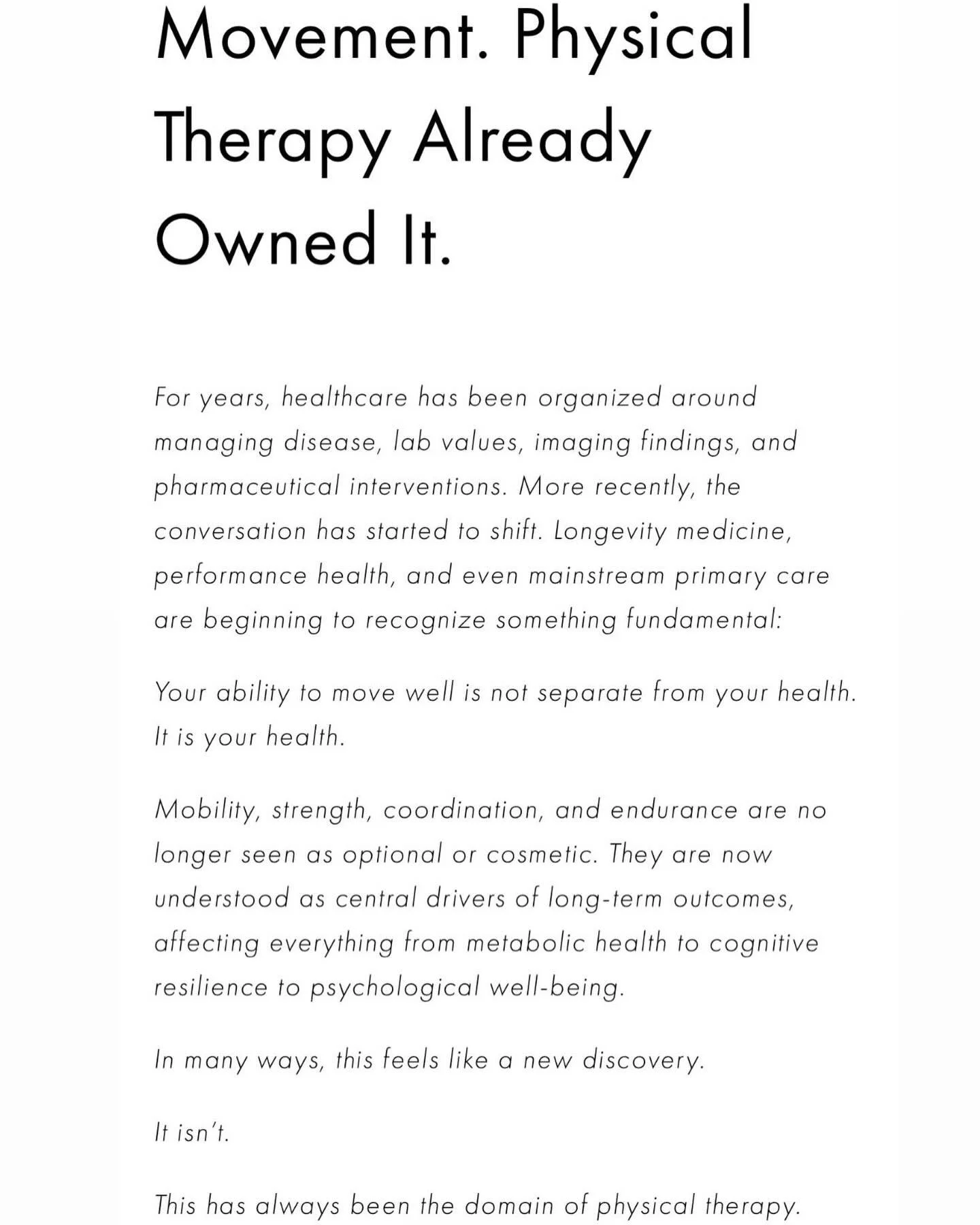
Pain is often the alarm. Loss of capacity is the real problem.

ATX Physical Therapy helps people in Austin and Marble Falls rebuild strength, confidence, and resilience so they can continue participating in the things that matter most.

Why Choose ATX PT

One-on-one physical therapy in Austin and Marble Falls designed to help you move better, recover faster, and stay active for the long term.

✓ 90-minute evaluations
✓ One-on-one with a licensed physical therapist
✓ No aides or technicians
✓ Personalized treatment plans

What Are You Trying To Get Back To?

ATX Physical Therapy helps people build the physical capacity to participate more fully in the responsibilities and opportunities of their lives.

Schedule an Evaluation

No One Wants Physical Therapy

Let’s be honest.

Nobody wants physical therapy.

Nobody wakes up excited to spend their time exercising sore muscles, changing habits, or addressing problems they’ve been avoiding.

Physical therapy is often what economists call a “grudge purchase,” something you buy because you have to, not because you want to.

But there is something most people fail to consider:

Doing nothing is also a choice.

And every choice has a cost.

The question is not whether there will be a cost.

The question is which cost you are willing to pay.

Many people delay treatment because they are afraid.

Afraid movement will hurt. Afraid they will fail. Afraid they are too old. Afraid the problem is permanent. Afraid the diagnosis means their best years are behind them.

So they wait.

They become a little less active. A little less confident. A little more cautious. They stop walking as far. Stop traveling. Stop playing the sport they love. Stop getting on the floor with their grandchildren. Stop doing the things that once made them feel alive.

Rarely does life become smaller overnight. It usually shrinks one avoided activity at a time. One fearful decision at a time.

The consequences of inaction are often far greater than the inconvenience of action.

Weakness becomes frailty. Stiffness becomes limitation. Poor balance becomes a fall. Loss of confidence becomes loss of independence.

The goal of physical therapy is not simply to reduce pain. The goal is to preserve and restore your ability to participate in life.

To keep doing what matters. To remain capable. To maintain options. To prevent today’s manageable problem from becoming tomorrow’s crisis.

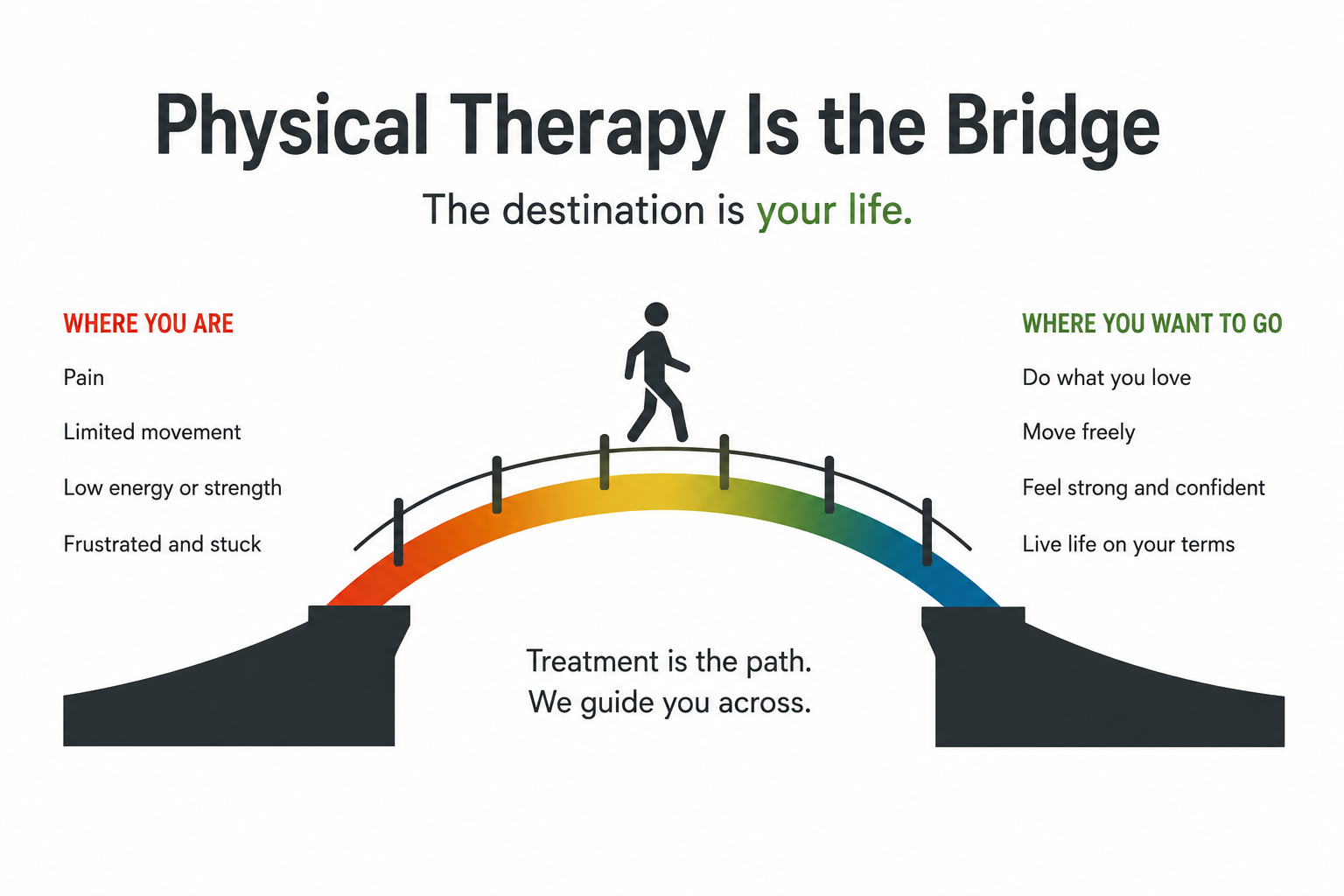
Physical therapy is not the destination. It’s the bridge. A bridge between where you are today and where you want to be tomorrow.

Crossing the bridge requires effort. But refusing to cross carries its own consequences.

The choice is yours.

Just don’t mistake inaction for safety.

Recovery rarely happens overnight. Strength is built gradually. Confidence is rebuilt one successful step at a time. Capacity is cultivated through consistent effort repeated over weeks and months.

The people who succeed are rarely the people who find a shortcut. They are the people who remain persistent long enough for the process to work.

The reality is that time will pass either way. A year from now, you can be stronger, more capable, and participating more fully in the life you want—or you can be wishing you had started a year ago.

There comes a point when opportunities are lost, habits become harder to change, and physical decline becomes more difficult to reverse.

The best time to begin was when the problem first appeared. The second-best time is today.

Schedule Your Evaluation

How It Works

1. Book Your Evaluation

We can’t understand the root until we understand your unique problems. We’ll start with a full movement assessment to find the true source of your pain. No general protocol or sheet of basic exercises can fix a specific problem.

2. Get a Custom Plan

You’ll get a hands-on treatment and a plan built for you, not a cookie-cutter exercise sheet and a therapist doing notes on his computer while juggling other clients.

3. Move Without Pain

We’ll make sure the problem is solved for the long term, so you can stay active and confident.

If you’ve been thinking about getting started, take that first step now. The longer you wait, the more your body adapts to the problem and the harder it becomes to fix. You’ve already waited this long and it hasn’t gotten better. The longer you live around pain, the more it becomes your new normal.

If you are the DIY-type:

 
AdobeStock_118277993.jpeg
AdobeStock_105410800.jpeg

“I went to several physical therapists and chiropractors all over Austin trying to find relief… Thankfully I found Nick before seeing a surgeon.”

— Brandon M.

“Sweet it is, during a tempest when the gales lash the waves, to watch from the shore another man’s great striving.”

The willingness to struggle and ultimately overcome is the archetype of the hero. More challenging than the physical side of therapy is often the emotional one, because change is slow and often imperceptible. It’s tempting and understandable to give up. To keep going in spite of adversity is the hard work, but the only path out. To participate as a guide, and bear witness to that struggle is an inspiration.

Nick's passion is helping people. With an aim to change the focus from treating illness to pursuing good health, Nick is working to push past the sickness culture into the wellness movement. With healthcare costs on the rise, our society must choose to pursue healthy lifestyles. In the same way you prepare financially for retirement, tomorrow's health begins with seeds planted today. There exists no magic health pill, potion or procedure. Nick believes that consistency and simplicity are the best approaches to long-term health.

What do you treat?

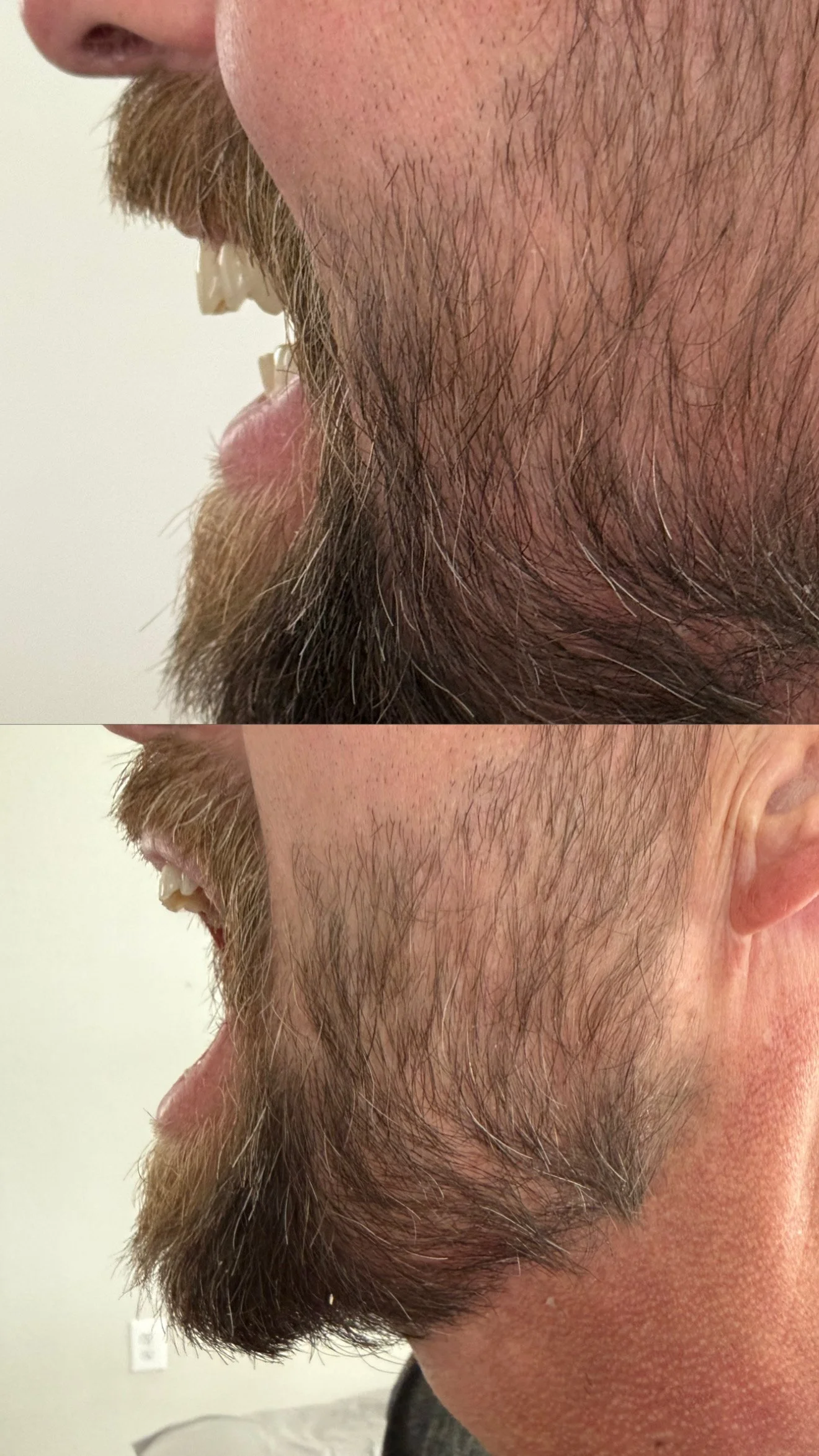
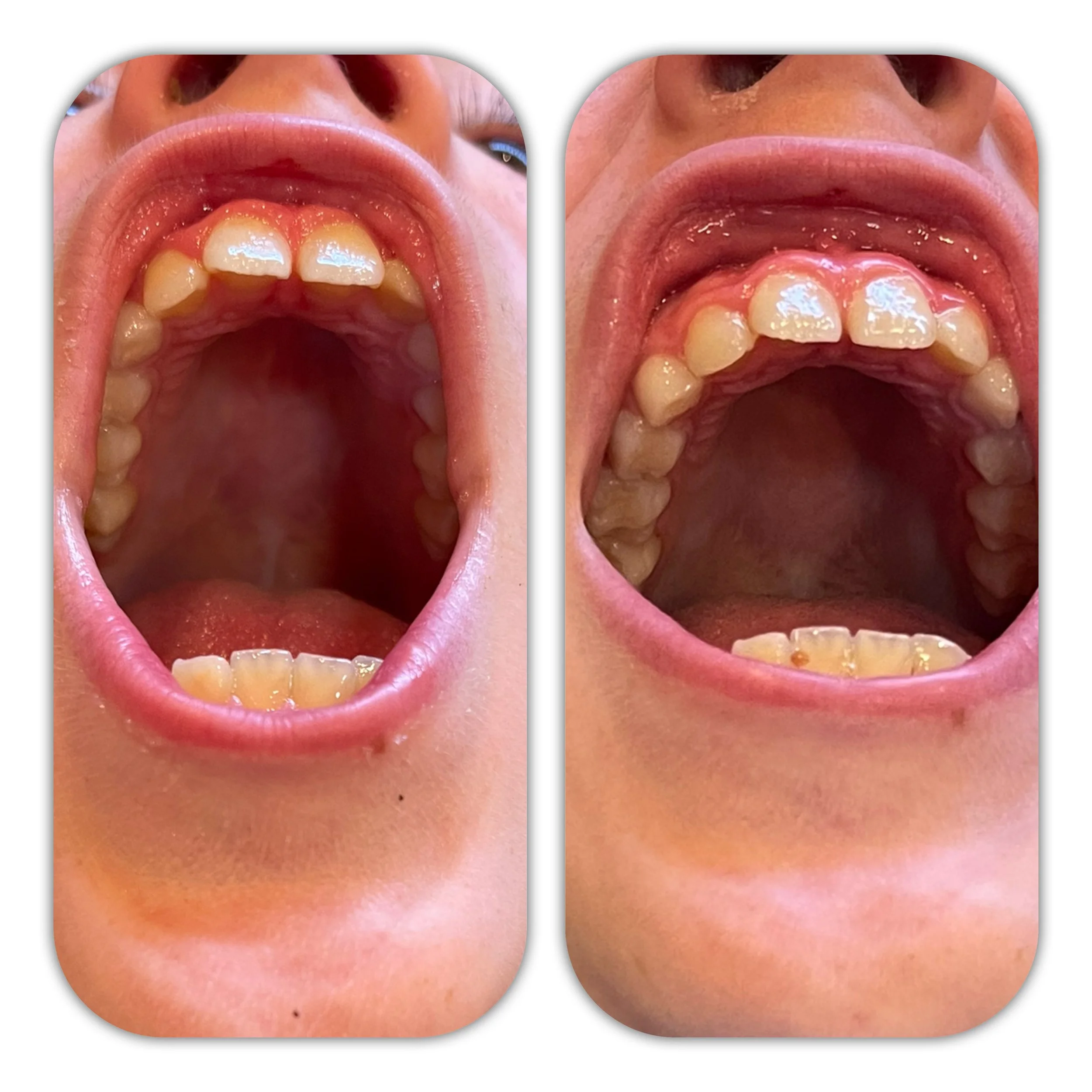
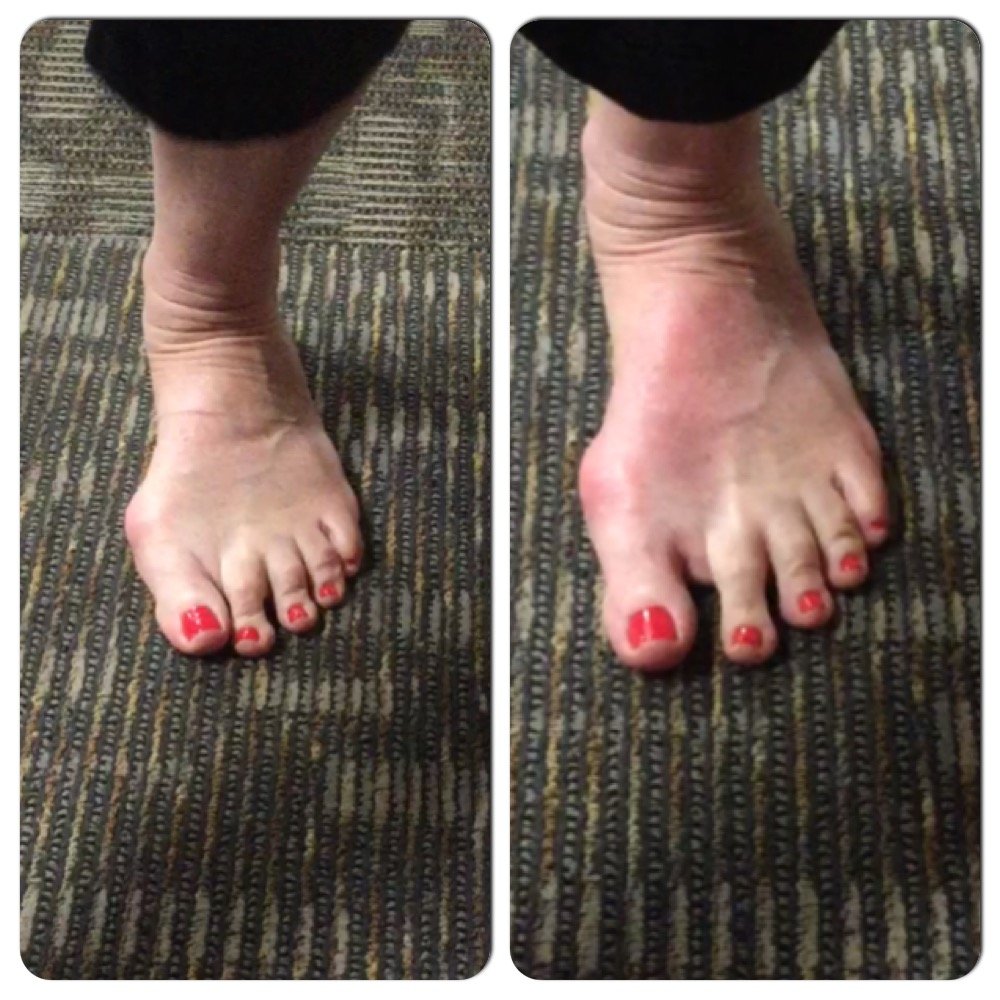
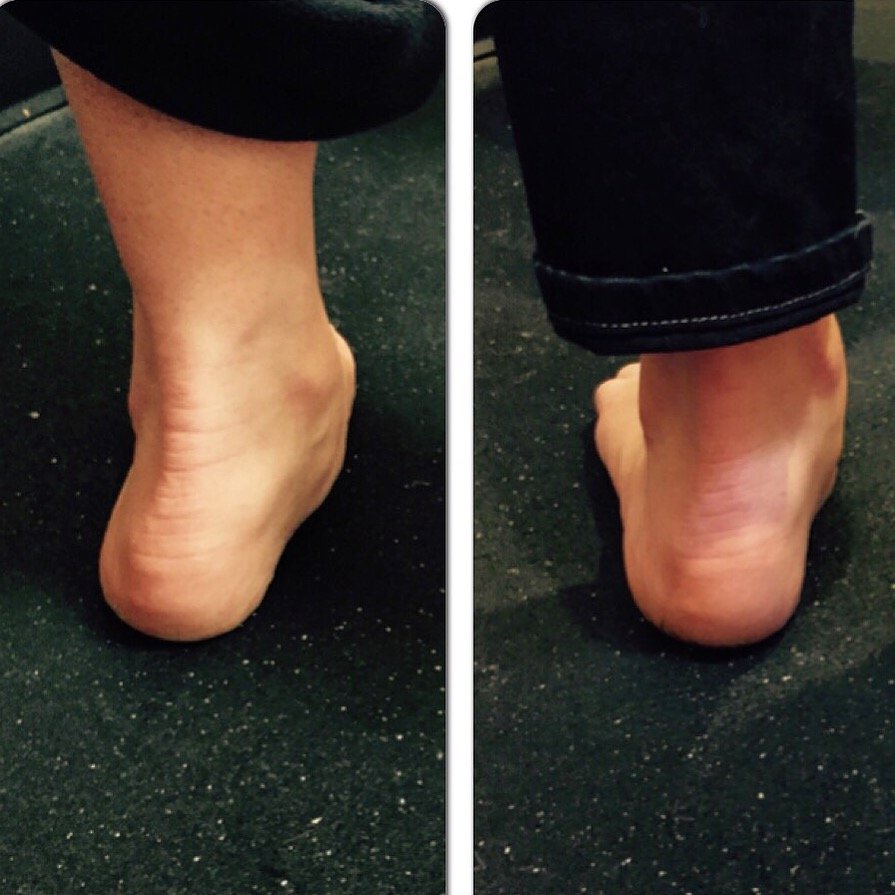
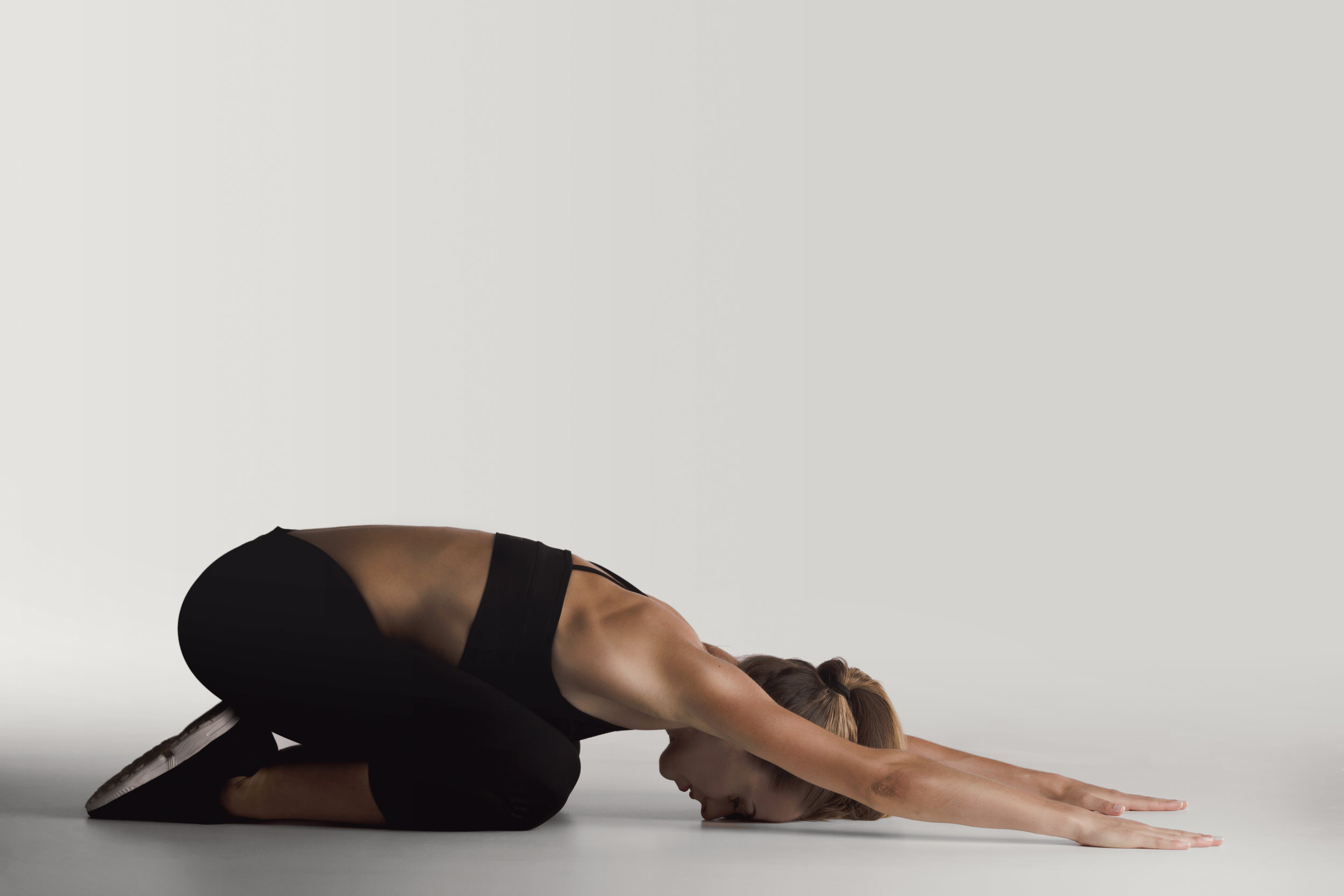
Head to Toe: TMJ, palate and skull, neck and shoulder, abdominal viscera, low back, knee, hip and foot. The body is a fully integrated system, so we have to be able to manage all the parts because no part works in isolation.

We can even treat the abdominal viscera, which can refer pain and influence the movement of the body

Nick Engel, PT DPT

MEET WITH NICK →

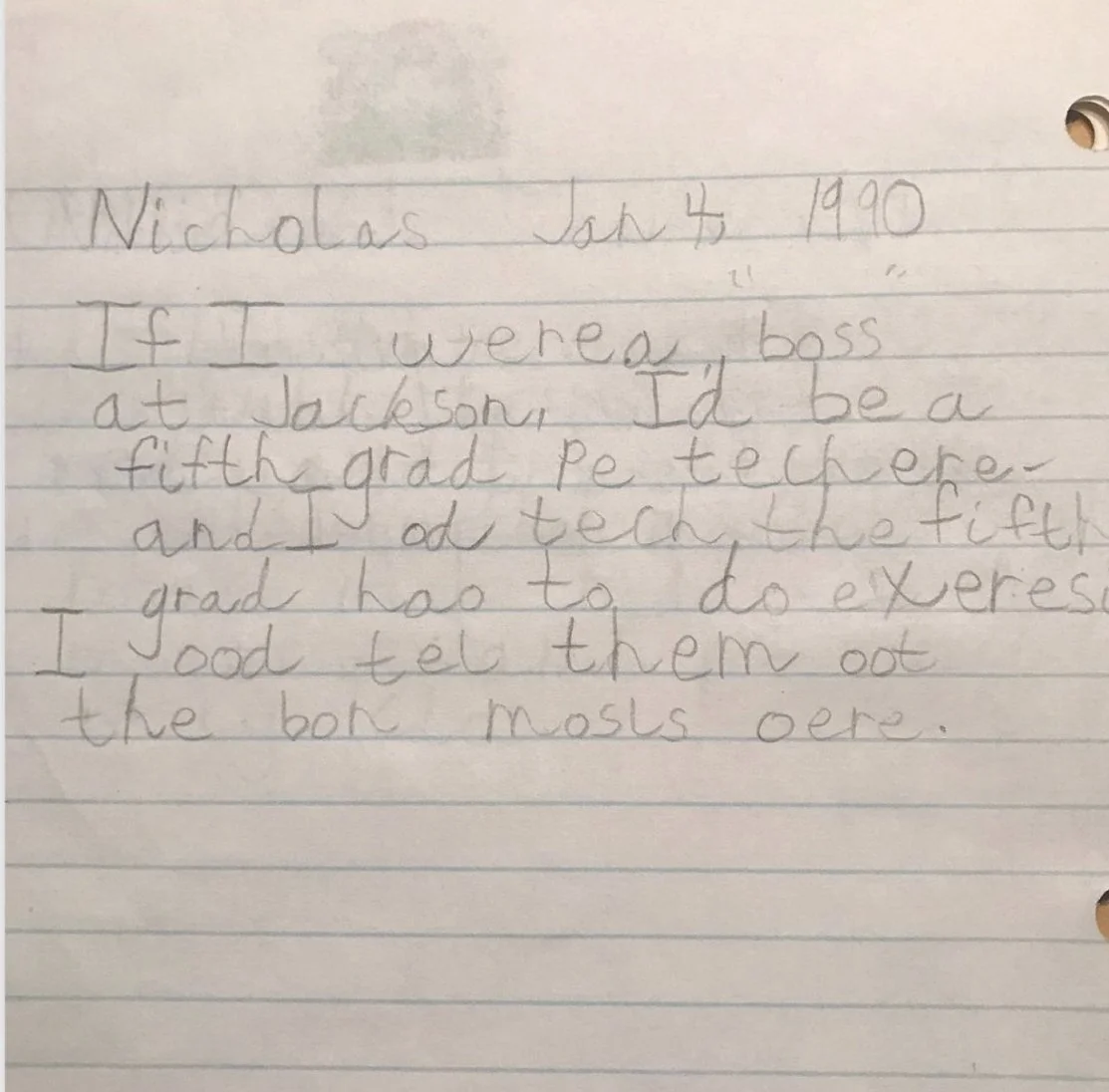
At least since this school assignment in 1990, I've wanted to “tell what the bones and muscles were.” I had an inherent motivation to learn about the body, so it came relatively naturally to me. And I think that makes it natural to want to share it. Who knows why particular things “grip” us, but health was just something that I have always wanted to understand. We spend more time at work than home, so it’s more important to find work that’s meaningful. People ask, “why didn’t you just become a surgeon?” Working ON someone like a machine seemed less interesting than working WITH someone. People are endlessly complex; more than just flesh and bone. I love to hear each person’s story as I get to share my gifts with them…so physical therapy just fit.

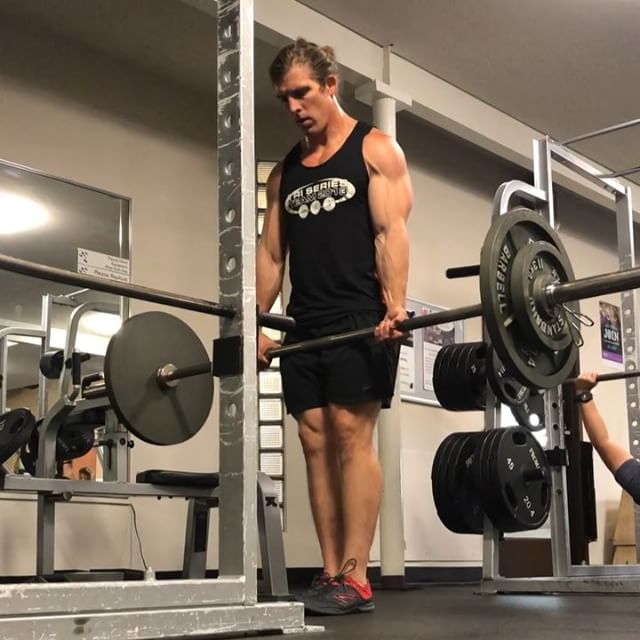
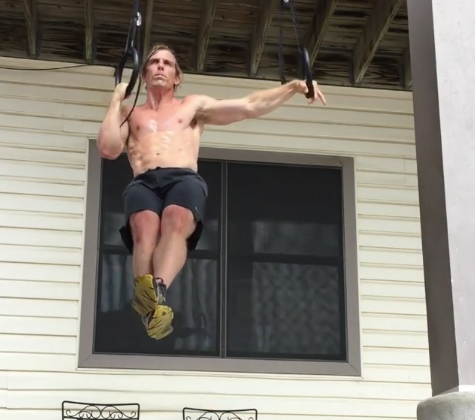
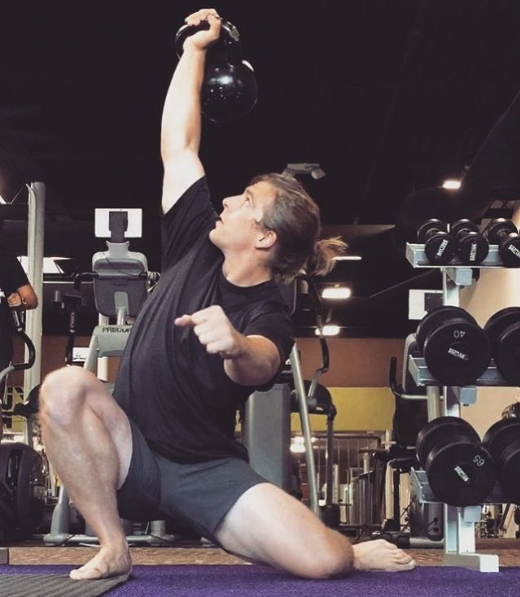
There is nothing more powerful for our health than being physically capable. Physical strength is more highly correlated to our mortality than blood pressure or cholesterol, and brings more longevity than altering those metrics can. The consequences of pain and weakness spirals into more pain and weakness, resulting in a more sedentary lifestyle. Exercise directly impacts those lab values, keeping us alive longer, and also helps us to more fully engage in life. How much better is it to get down on the floor and play with kids rather than watching from the couch. Being in the mountains are more enjoyable when you have the capacity to hike them. But more importantly, strength is also the thing that helps you get up off the floor if you fall down, and prepares your bones to prevent fractures. Fitness helps us live better, and I am so thankful to participate in that journey with my clients.

Connect + Follow

AdobeStock_161956421.jpeg